Peptide Pureness & Return Enhancing In Spps Purepep Blog
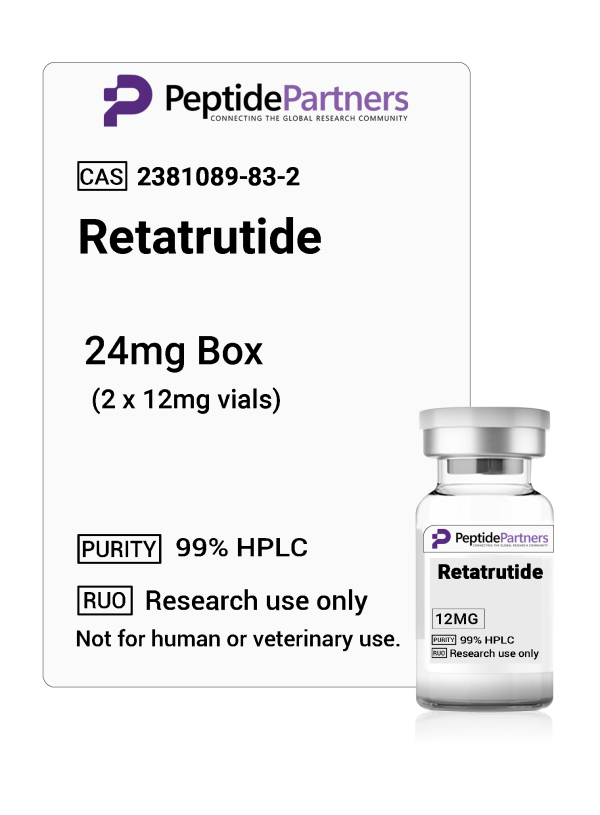
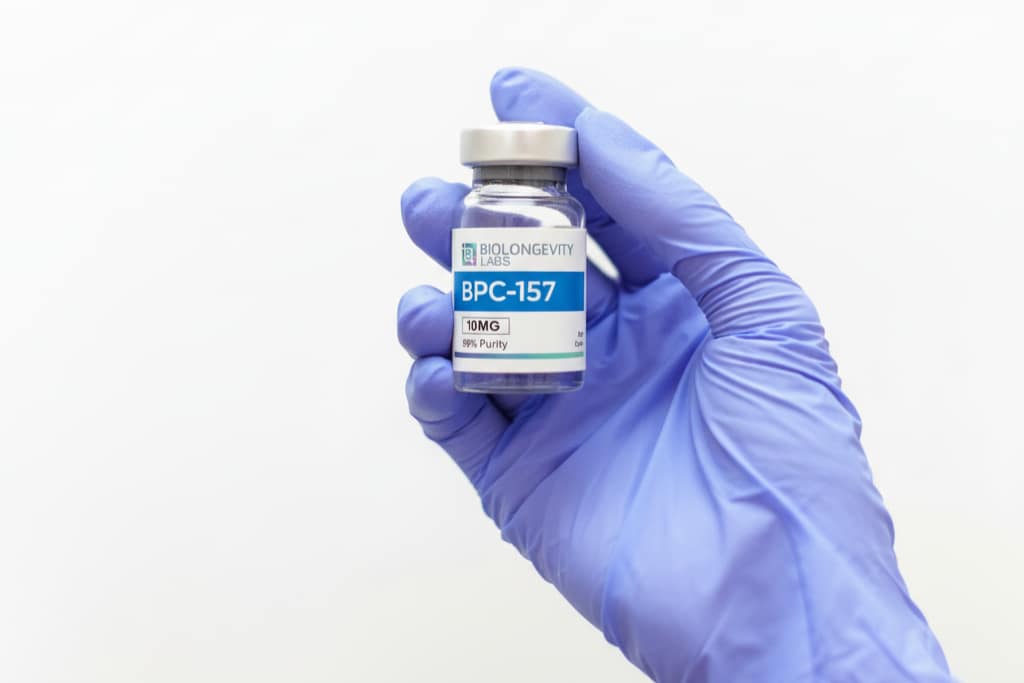
Peptide Purity Overview 98%, 99% & Research-grade Described Prg It acts as a pointer and lawful please note that the product is not a healing or consumable. Trusted peptide vendors always mark their products this way and offer top quality records with HPLC and MS data to support the purity degree. As long as you acquire peptides from a trusted source that provides a complete certification of analysis, you can be positive in the peptide's purity grade and use extent. When you see peptides promoted as "research-grade," it describes their meant usage and the degree of making oversight. Desalted peptides function well for ELISA finish, some cell-based assays, and applications where modest pureness serves. After synthesis and purification, peptides are usually lyophilized (freeze-dried) as salts. The most usual counterion is trifluoroacetate (TFA) from the HPLC purification solvents, though some peptides are provided as acetate or hydrochloride salts. These counterions aren't "impurities" in the HPLC sense-- they don't turn up as separate heights-- yet they do contribute to the complete mass of the powder. As the percent of natural solvent slowly enhances during the run, molecules are launched from the column in order of their hydrophobicity-- the much more hydrophobic a peptide, the longer it takes to elute (wash off). Given that contaminations generally vary from the target peptide by a minimum of one amino acid, they have somewhat different hydrophobicities and show up as separate optimals on the chromatogram. While not shills for "large pharma", we highly appreciate the large investment they make right into science, quality assurance, and quality control to decrease these dangers for pharmaceutical drug users. A single HPLC technique can not and will not identify and quantify whatever that remains in a combination in one pass; it just does not work by doing this. Truly, no qualitative or measurable analytical technique (LC, MS, FTIR, NIR) can do what customers perceive as the pureness outcome on certificates of analysis today. However keep in mind, these two optimals do not stand for all feasible impurities, excipents, or various other chemicals in the item.
Intricate Peptide Structures, Tough To Confirm And Measure
What equipment is utilized to test peptide pureness?
Peptide pureness is consistently identified by HPLC (high performance fluid chromatography). This approach allows splitting up and loved one quantification of each peptide manufactured. If coupled to a mass spectrometer (MS), this supplies molecular mass/ identity information of the target peptide and going along with pollutants.
Purepep ® Blog
When evaluating a COA, researchers should look for the following details. A solid peptide screening process makes use of techniques that address corresponding questions. The table listed below is the useful method to consider common examinations when checking out a peptide COA. Verifies the exact molecular weight and verifies the peptide's identification. At Maxed Out Substances, every item we supply features a clear screening record and clear paperwork. Our objective is to support scientists with high-purity, verified substances that meet the demands of modern clinical research-- absolutely nothing even more, absolutely nothing much less.- Mass spectrometry gauges the molecular weight of a compound with severe precision.
- Before a peptide is utilized in a research setting, researchers typically evaluate screening paperwork to much better understand product identification, pureness specs, and total high quality standards.
- Commercial intent for peptides usually results in a market saturated with resellers who might not confirm the stability of their stock throughout transportation.
- This has been implemented by the capacity to synthesize peptides to high purity and in big scale.
- Physical features and peptide framework can affect dissolution actions separately of pureness.